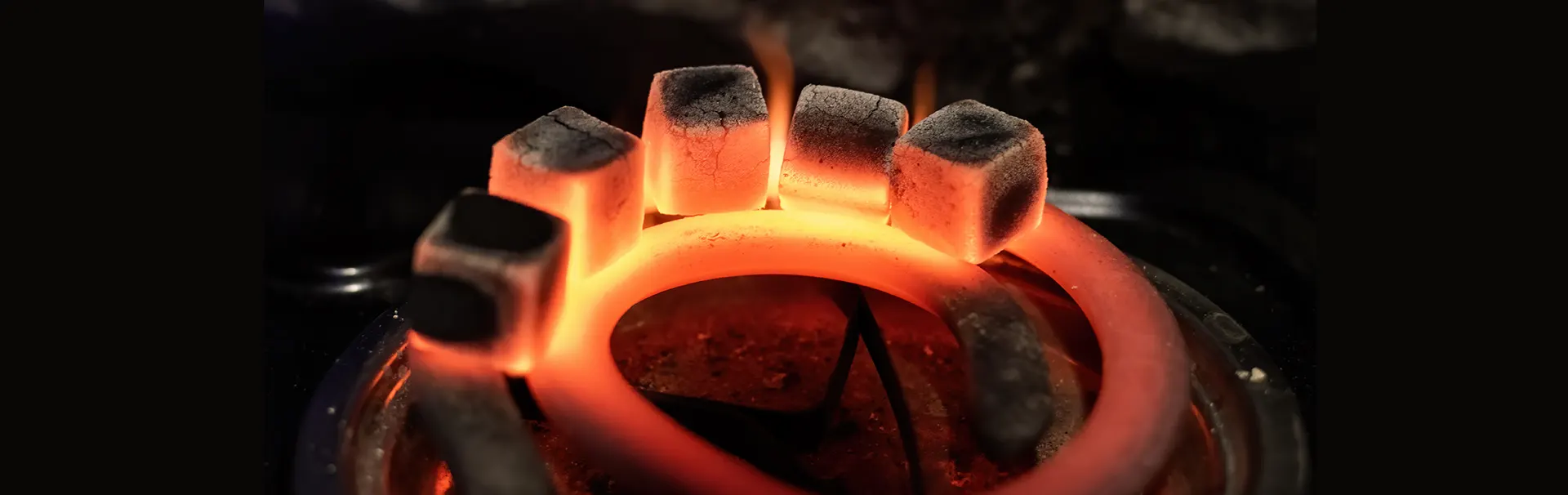
Cast iron is widely used for industrial components where machinability, vibration damping, dimensional stability, wear characteristics, and manufacturing efficiency are important. Its casting characteristics also allow complex component geometries to be produced while retaining the material and machining properties required for the finished part.
As a cast iron casting manufacturer, we evaluate material grade, component geometry, production quantity, machining requirements, and application conditions to establish a suitable manufacturing approach.
Years of Cast Iron Manufacturing
Cast Iron Components Manufactured
Cast Iron Projects Completed
Satisfied Customers
Quality & Certifications
Quality is built into the manufacturing process at Mahadev Ferrocast, with inspection and testing carried out across multiple production stages.

ISO 9001:2015
Quality Management

ISO 14001:2015
Environmental Management

BS OHSAS 18001:2007
Health & Safety Management
Why Cast Iron for Industrial Components?
Cast iron is well suited to industrial components where its material characteristics and casting capabilities align with the component's functional and manufacturing requirements.
The key characteristics that make cast iron suitable for industrial components include:
Vibration Damping
Grey cast iron provides inherent vibration-damping characteristics, making it suitable for machinery components where controlling operational vibration is an important consideration.
Machinability
Cast iron can provide good machinability for components requiring machined bores, mounting surfaces, flange faces, bearing seats, and other critical interfaces.
Dimensional Stability
For machinery and equipment components, dimensional stability supports the accurate relationship between machined features and helps maintain required component geometry during service.
Complex Component Geometry
Casting allows us to produce complex sections, housings, cavities, and integrated features that may otherwise require extensive machining or assembly from multiple parts.
Wear Characteristics
Depending on the selected grade and application, cast iron can provide suitable wear characteristics for components exposed to repeated contact, friction, or abrasive service conditions.
Manufacturing Efficiency
For recurring industrial requirements, casting provides an established manufacturing route that can produce repeatable component geometry while reducing the need to machine the entire component from solid material.
Designing Cast Iron Components for Casting and Machining
At Mahadev Ferrocast, we look at the component as a finished manufactured part rather than treating casting and machining as separate decisions. Component geometry, casting requirements, and finished dimensions need to work together from the beginning.
During manufacturing evaluation, we consider factors such as:
Section Geometry
Wall thicknesses, section transitions, and component geometry are reviewed for their suitability for consistent casting.
Fillets & Radii
Appropriate transitions can support casting quality and reduce unnecessary concentration of stresses around changes in section.
Machining Allowances
Critical surfaces are considered with the machining allowance required to achieve the specified finished dimensions.
Bores & Interfaces
Bores, bearing seats, mounting faces, flange surfaces, and other functional interfaces are considered in relation to both the casting and subsequent machining.
Core & Cavity Requirements
Where internal features require cores, the component geometry and moulding requirements are evaluated together to establish a practical manufacturing route.
Finished-Part Requirements
Tolerances, surface finish, datum requirements, and assembly interfaces are considered before the manufacturing approach is finalized.
Industrial Cast Iron Components We Manufacture
Mahadev Ferrocast manufactures industrial cast iron components for machinery and equipment, with casting quality, dimensional requirements, material properties, and repeat production considered together.
Pump & Valve Components
We manufacture cast components such as housings, bodies, covers, and related parts where defined geometry, machinable surfaces, and dimensional consistency are important.
Motor & Machinery Components
Motor housings, machine bases, structural components, and other machinery castings can be produced where vibration damping, dimensional stability, and machinability are relevant to the application.
Gearbox & Transmission Components
We manufacture housings and related cast components around defined geometry, machining requirements, mounting interfaces, and assembly conditions.
Bearing & Equipment Housings
Cast iron housings can be developed for applications requiring accurate bearing locations, mounting surfaces, and other machined interfaces.
Industrial Equipment Components
We produce drawing-based castings for machinery and equipment where the material, geometry, weight, tolerances, and production quantity are defined by the customer's requirements.
Engineering Components
Application-specific cast iron components can be manufactured for recurring engineering requirements, with casting, finishing, machining, and inspection coordinated around the finished part.
How We Manufacture Cast Iron Components
At Mahadev Ferrocast, casting forms one stage of the overall industrial component manufacturing process. We coordinate the major production stages around the required material, geometry, dimensional specifications, and finished-part requirements.
Component & Specification Review
We review the drawing or 3D model, material specification, component weight, production quantity, application, and machining requirements to establish the manufacturing scope.
Pattern & Mould Preparation
The component geometry is translated into the required pattern and mould configuration, with casting considerations incorporated into the manufacturing approach.
Melting & Casting
The specified cast iron material is produced and poured through the defined casting route, with relevant process parameters controlled during production.
Fettling & Finishing
After solidification, castings undergo required fettling, shot blasting, and other finishing operations to prepare them for inspection or machining.
Machining
Where specified, machining is carried out to achieve required dimensions, tolerances, mounting surfaces, bores, and functional interfaces.
Inspection
The completed component is inspected against the applicable material, dimensional, drawing, and quality requirements before supply.
Why Choose Mahadev Ferrocast as Your Cast Iron Parts Manufacturer?
As a cast iron parts manufacturer, Mahadev Ferrocast evaluates each component based on its material, geometry, manufacturing, and finished-part requirements. Our broader foundry and machining capabilities allow us to coordinate the stages required to move an industrial component from drawing to production.
Engineering-Led Component Evaluation
We review material, geometry, production quantity, machining requirements, and application conditions before establishing the manufacturing approach.
Material-Application Matching
The cast iron specification is considered according to the component's operating conditions, mechanical requirements, machinability, geometry, and intended use.
Casting-to-Machining Coordination
Casting and machining requirements are considered together so that the manufacturing route supports the dimensions and interfaces required in the finished component.
Drawing-Based Manufacturing
Customer drawings, 3D models, material specifications, tolerances, quantities, and application requirements provide the basis for production planning.
Integrated Manufacturing Support
Our casting, finishing, machining, and inspection capabilities allow multiple stages of component production to be coordinated within the same manufacturing setup.
Repeat Production Capability
For recurring industrial requirements, manufacturing and inspection parameters can be established around the component's defined specifications to support consistent production across batches.
Develop Your Industrial Cast Iron Component with Mahadev Ferrocast
Have a cast iron component that needs to move from drawing to production?
Share your component drawing or 3D model, material requirements, approximate weight, production quantity, application, and machining requirements with our team.
We can review the component and discuss the appropriate casting, finishing, and machining approach.
FAQs
How much does cast iron casting cost?
Cast iron casting cost depends on factors such as component weight, material grade, geometry, tooling requirements, production quantity, machining, finishing, and inspection. For a reliable estimate, the component drawing or 3D model, required quantity, material specification, and machining requirements need to be evaluated together.
Is cast iron cheaper than steel for industrial components?
It can be more cost-effective for certain component designs, particularly where casting can produce the required geometry with less material removal and machining. However, the appropriate material depends on the component's mechanical requirements, geometry, operating conditions, and other factors.
How is the appropriate cast iron grade selected?
At Mahadev Ferrocast, grade selection is considered around the component's mechanical requirements, operating conditions, geometry, machinability, wear considerations, and applicable material specification.
Can cast iron components be machined after casting?
Yes. Where required, we can machine cast iron components to achieve specified bores, mounting surfaces, flange faces, interfaces, tolerances, and surface finishes.
Can complex cast iron components be manufactured from customer drawings?
Yes. We can evaluate customer drawings or 3D models to assess component geometry, material requirements, casting considerations, machining allowances, and finished dimensions before production.
What information is required to manufacture a cast iron component?
A component drawing or 3D model, material grade or specification, approximate weight, production quantity, application, dimensional requirements, and machining details provide a useful basis for evaluating the manufacturing requirements.